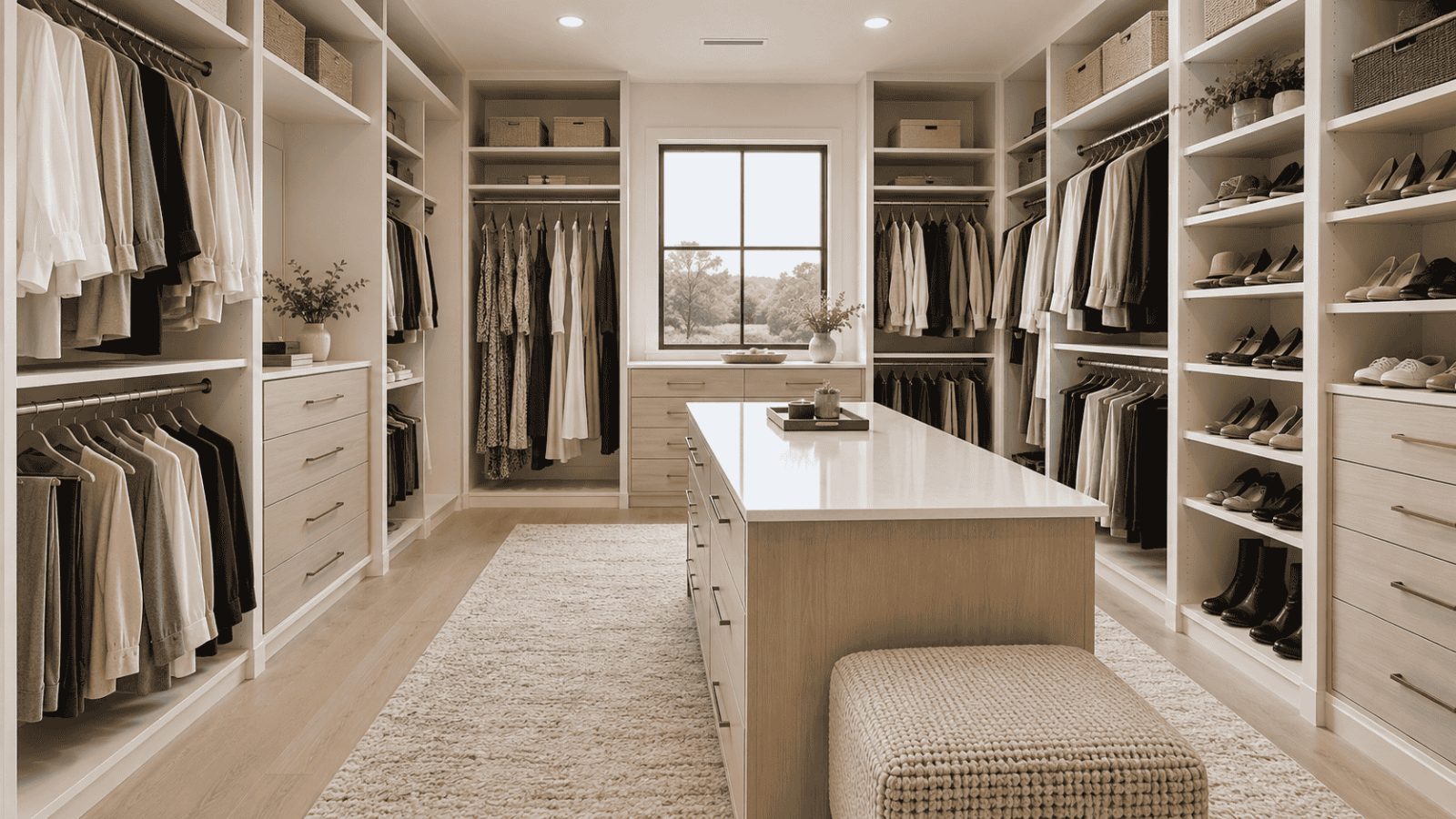
Utility Space That Works
Laundry and Mudroom Storage
Organize the transition spaces your household uses every day. Get a Free Estimate
Utility Space That Works
Organize the transition spaces your household uses every day. Get a Free Estimate
Laundry rooms and mudroom-style drop zones handle a surprising mix of belongings: detergents, cleaning supplies, linens, bags, shoes, outerwear, pet items, and household overflow. When all of it shares a few basic shelves, the room becomes crowded quickly.
Custom storage can separate those functions. Upper cabinets can contain supplies, open zones can keep everyday items accessible, and vertical storage can make better use of narrow utility spaces.
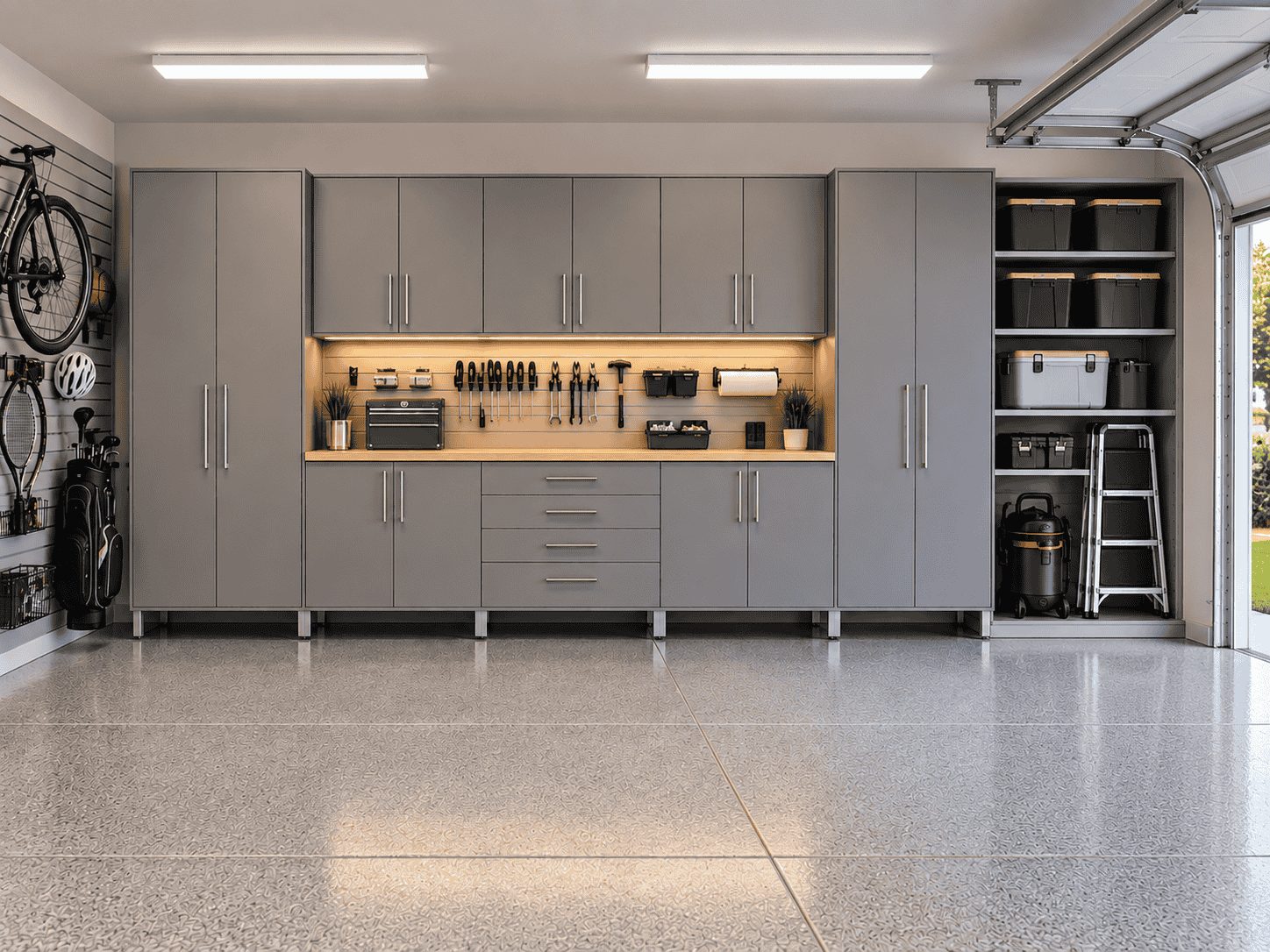
The layout should reflect the room's actual jobs rather than forcing every utility space into the same design.
Store detergents, cleaning products, and utility items in planned cabinet zones.
Keep frequently used bags, shoes, or household items accessible where appropriate.
Use narrow walls and upper areas that basic utility-room layouts often leave empty.
Give selected supplies a defined home instead of allowing them to migrate into bedroom closets.
| Service | Estimated Cost | Average |
|---|---|---|
| Built-in cabinets, typical project | $2,000 to $7,500 | About $4,500 |
| Per linear foot | $200 to $600 | Varies with size and finish |
These are typical ranges reported by Angi rather than a quote. Houston figures apply only where stated; the rest are national ranges. Cabinet-heavy or premium-material projects, drawers, lighting, islands, and remodel work can cost more than these ranges. Request a written quote for your project.
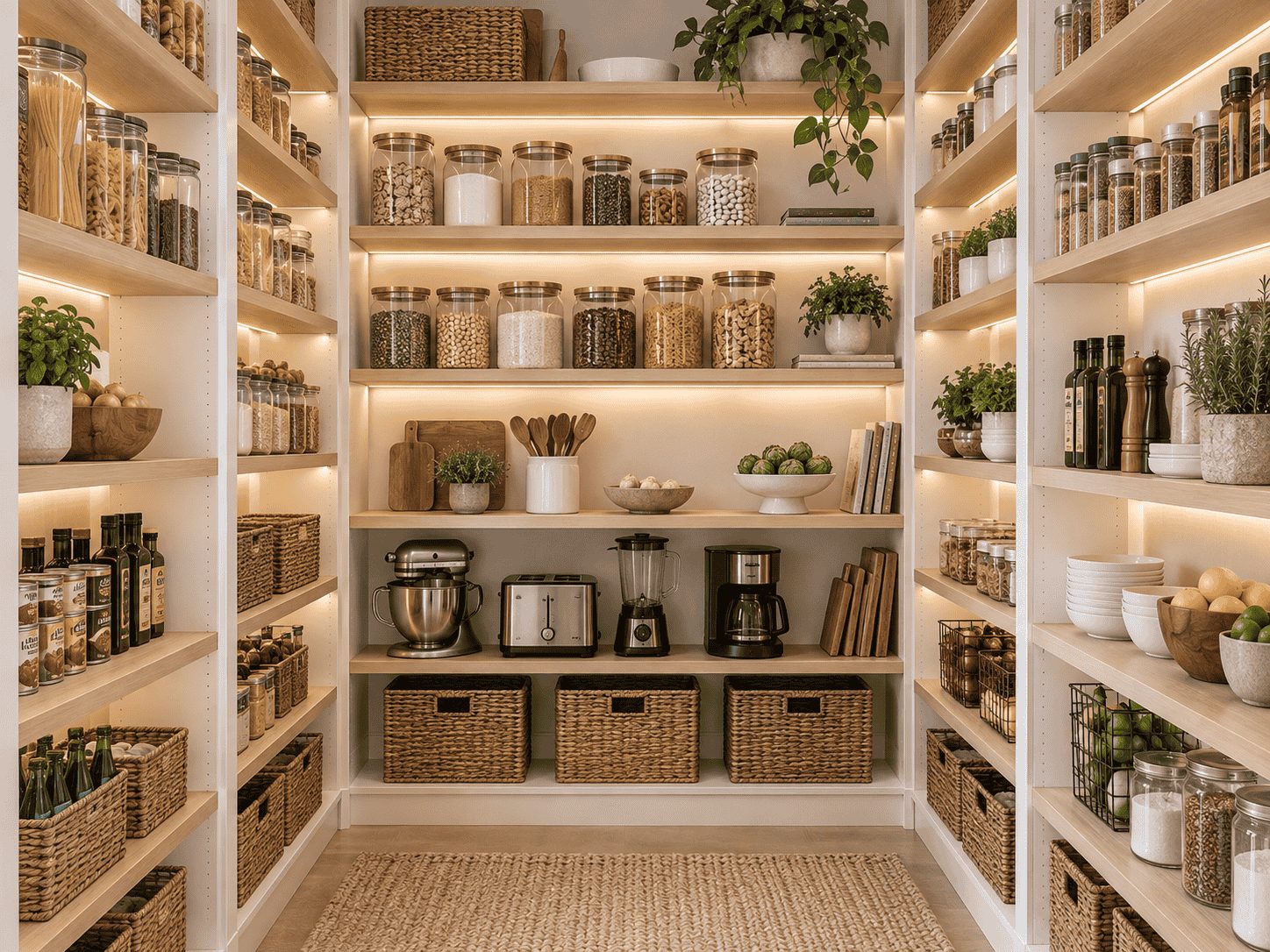
We separate laundry, cleaning, drop-zone, and overflow storage instead of treating everything as miscellaneous.
Utility rooms often have wall area that can work harder without consuming additional floor space.
Frequently used items should be easier to reach than occasional household supplies.
Give your utility space a job for everything it needs to hold.
Free — no obligations
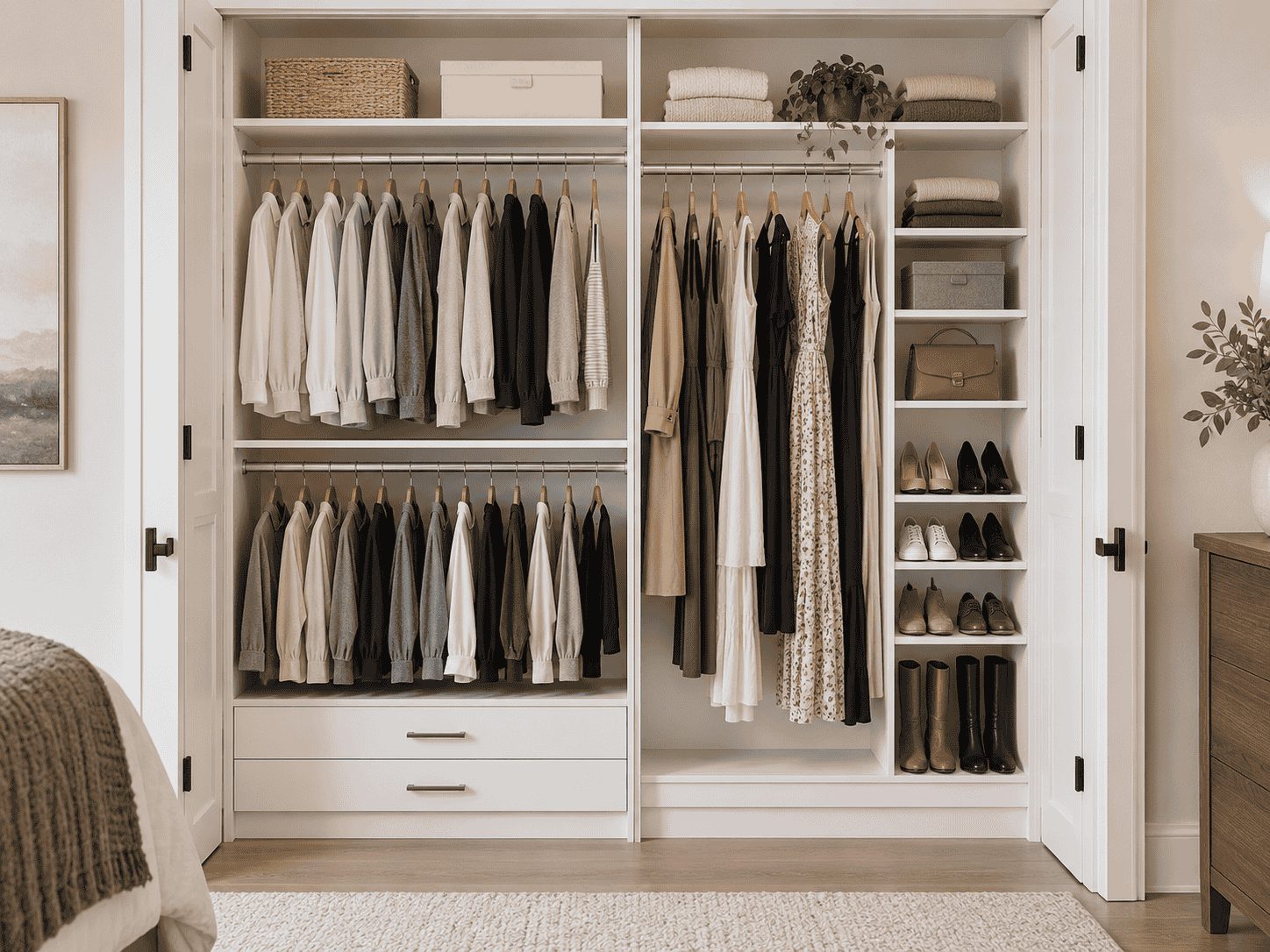
List what happens in the room and what needs to be stored there.
Keep laundry, cleaning, household, and drop-zone storage logically divided.
Work around appliances, doors, utilities, and required access.
Place everyday items where they are easiest to use and occasional items higher or farther away.